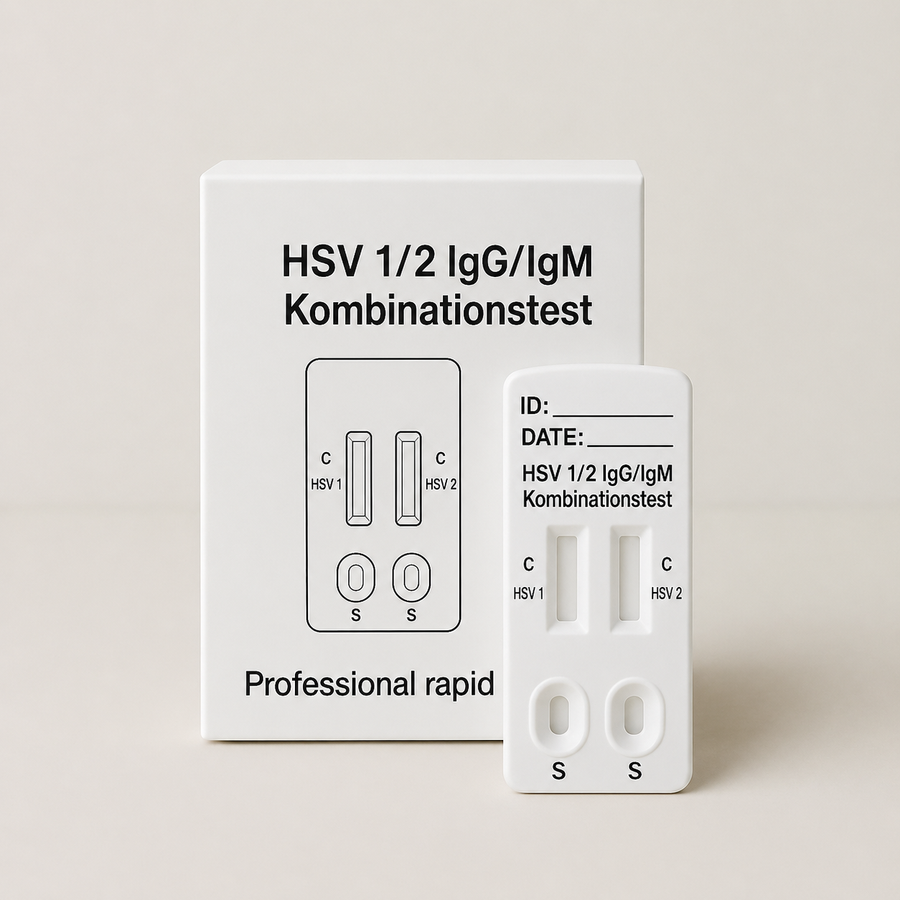
What are STIs?
STIs, also called sexually transmitted infections, are infections that can be transmitted through sexual contact. Examples include chlamydia, syphilis or other infections that affect the genitals, urinary tract, mucous membranes or the body in general.
Some STIs can cause symptoms such as burning when urinating, unusual discharge, sores, rash, itching or genital discomfort. At the same time, it is common to have no clear symptoms at all. That is why testing can be important even if you feel healthy.
When should you test for STIs?
You should consider testing if you have had unprotected sex, had sex with a new partner, have multiple sexual partners or suspect that you may have been exposed to infection. It can also be a good idea to test if you have symptoms that may indicate an STI, even if the symptoms are mild.
Because some STIs can be symptom-free for a long time, a test can be a simple way to get better clarity. If a test shows a positive result, or if you still suspect infection despite a negative result, you should contact healthcare services for advice and possible treatment.
How do you test for STIs at home?
Self tests for STIs are designed to be performed at home according to the included instructions. Depending on the test, the sample may be urine, blood from a fingertip or another sample type. The test analyses specific markers linked to the infection the test is intended for.
It is important to follow the instructions carefully and read the result within the specified time. A self test can provide an initial indication, but if the result is positive, you should always contact healthcare services for further assessment, treatment and possible contact tracing.
How reliable are self tests for STIs?
Self tests can be a convenient and discreet first step if you want to test at home. The tests are designed to provide a visual indication based on specific markers, but they should not replace medical advice or a complete diagnosis from healthcare services.
If you test too early after possible exposure, the result may be misleading. Therefore, it is important to read the test instructions and follow the recommendations for when the test should be taken. If you are unsure, have symptoms or get a positive result, contact with healthcare services is always recommended.